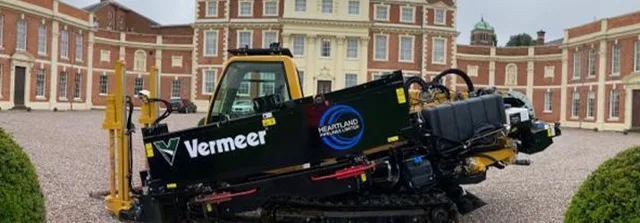
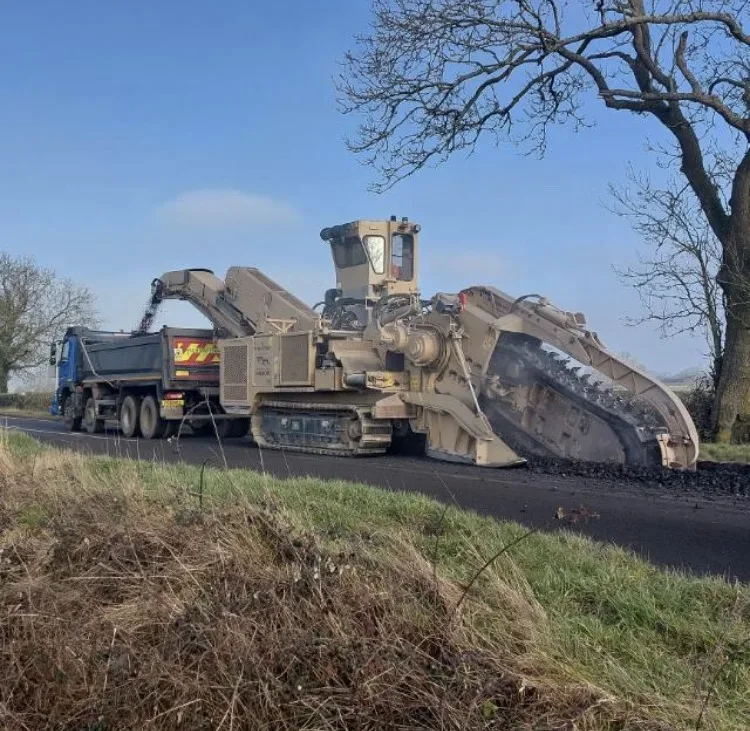
When installing underground utilities, two main approaches are available: trenchless horizontal directional drilling (HDD) and traditional open-cut excavation (trenching). Here is how they compare.
Disruption
HDD installs services underground with only entry and exit pits, so roads, pavements and landscaping stay largely intact. Open-cut requires a continuous trench and full reinstatement.
Cost
For crossings and longer runs, HDD is often more cost-effective once reinstatement, traffic management and disruption are accounted for. For shallow, short connections, open-cut can be cheaper.
Speed
HDD is typically faster for crossings because there is no trench to excavate, support and backfill.
Environment
HDD has a smaller footprint and is well suited to rivers, SSSIs and conservation areas where open-cut would cause significant damage.
When to use each
Choose HDD for crossings under roads, railways and rivers, sensitive areas and longer runs. Choose open-cut for shallow connections and where the ground must be opened anyway. Our team can advise on the best method for each section of your scheme.
See our directional drilling services or contact our team on 01952 260505.