Trenchless Technology Methods Explained

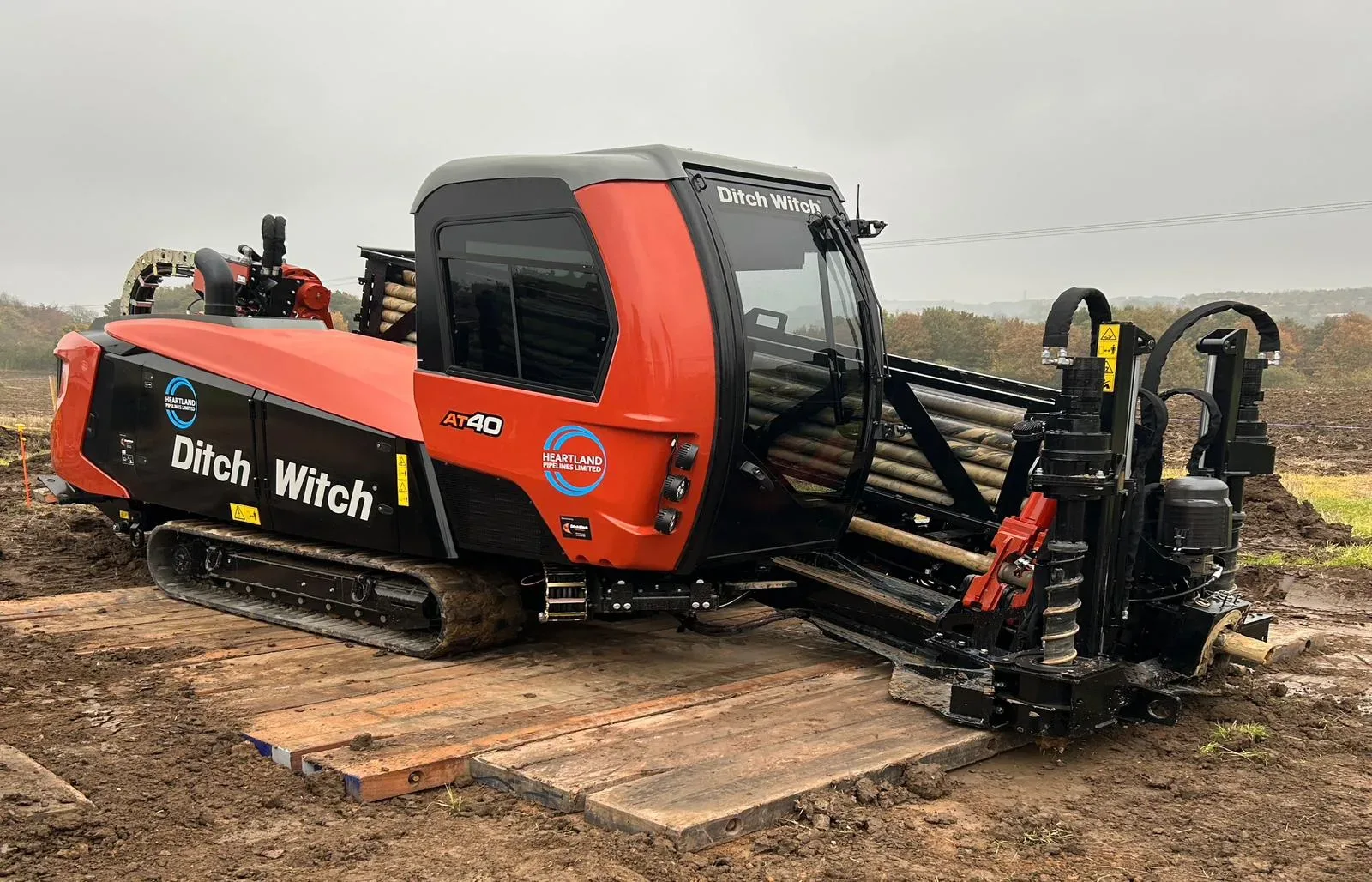
Drilling ditch witch cutting edge drilling rigs

Trenchless (no-dig) technology installs and replaces underground pipes and cables with minimal excavation. Here are the main methods and when each is used.

Horizontal directional drilling (HDD)

A steered method for installing pipes and ducts along a planned path, ideal for crossings and longer runs. Learn more about HDD.

Moling

An impact mole for short, small-diameter service connections beneath drives and gardens. Learn more about moling.

Pipe bursting & sliplining

Methods to replace or rehabilitate existing pipes with minimal excavation. Learn more.

Guided auger boring

Installs pipes to accurate line and level, ideal for gravity sewers. Learn more.

Pipe ramming

Drives steel casings through difficult ground beneath roads and railways. Learn more.

See our directional drilling services or contact our team on 01952 260505.
Frequently Asked Questions

What is trenchless technology?

Trenchless (no-dig) technology installs or replaces underground pipes and cables with minimal excavation, using methods such as directional drilling, moling, pipe bursting, sliplining, auger boring and pipe ramming.

What is the difference between moling and directional drilling?

Moling uses an unsteered impact mole for short service connections, while directional drilling is steered and tracked for larger diameters and longer, more complex crossings.

Horizontal Directional Drilling HDD

The installation of pipelines beneath busy roads or ecologically sensitive rivers without extensive trenching is a significant challenge. Horizontal Directional Drilling (HDD) addresses this through a highly effective...

Read more